Ingredient Substitute Ratio Calculator

Introduction to the Ingredient Substitute Ratio Calculator
Substituting ingredients is rarely as simple as swapping one spoonful for another. A recipe may call for a fresh herb, but the only thing on hand is a dried version; it may call for sugar, but the pantry has honey or another concentrated sweetener; or it may call for a mild seasoning when the available brand tastes much stronger. The ingredient substitute ratio calculator gives you a measured starting point so you can scale the replacement instead of guessing.
The key idea is relative potency. If the substitute is stronger, you usually need less of it. If the substitute is milder, you usually need more. That makes the calculator useful for kitchen decisions where flavor intensity matters more than the ingredient's label, such as fresh garlic versus garlic powder, fresh herbs versus dried herbs, or standard broth versus a concentrated base. It does not replace taste and texture judgment; it simply gives you a rational first pass.
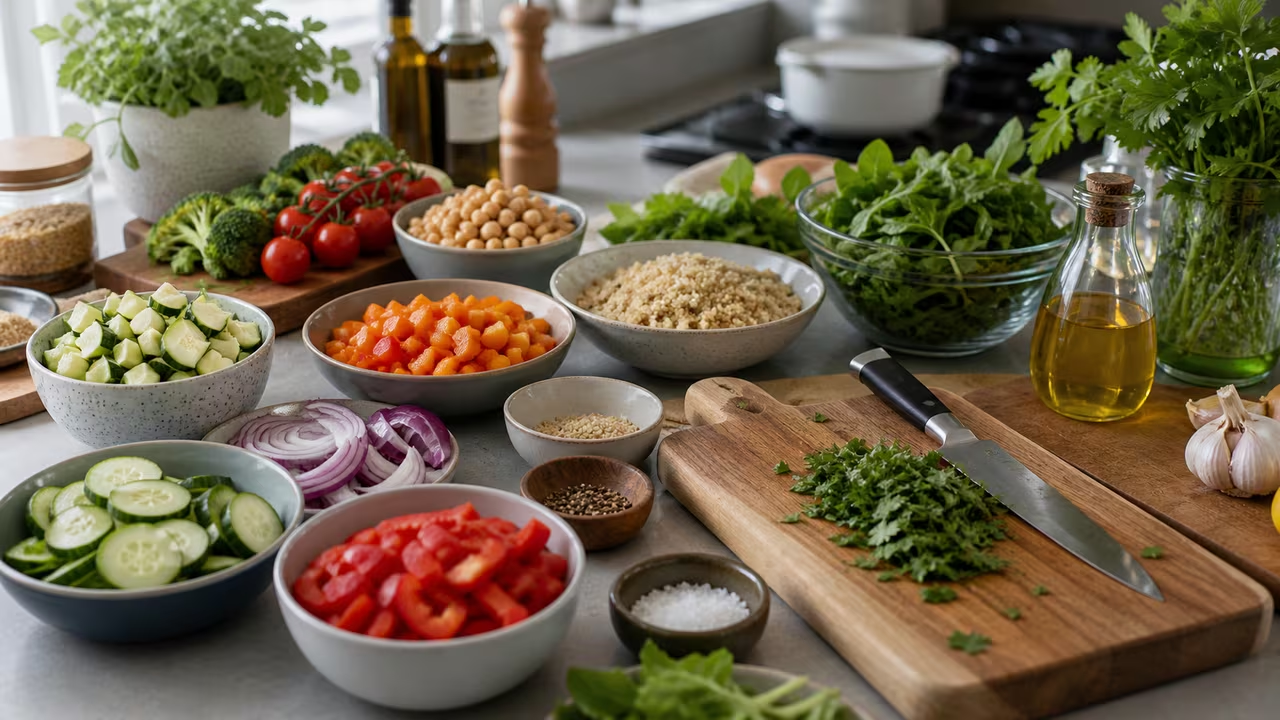
Potency is a comparison factor, not a universal truth. You choose the baseline that makes sense for the recipe, assign a factor to the original ingredient, and assign a factor to the substitute based on how strong it seems in your kitchen. The calculator can work with grams, cups, teaspoons, cloves, or other consistent units because the ratio is what matters. What matters most is that the amount you enter and the amount you want back are measured in the same unit family.
Once you have the right starting amount, you can decide whether the swap also needs moisture, acidity, or salt corrections. That is where actual cooking knowledge comes in, but the ratio keeps the first decision grounded in a consistent comparison instead of a guess.
How to Use the Ingredient Substitute Ratio Calculator
Using the ingredient substitute ratio calculator is easiest when you think in three steps. Enter the original amount exactly as the recipe writes it. Set the original potency to 1 if that ingredient is your baseline. Then enter the substitute potency factor based on how strong the replacement seems compared with the original. The result shows the amount of substitute to measure and whether it should be smaller or larger than the recipe amount.
For example, if a recipe uses 100 grams of sugar and you want to use honey, you might estimate honey at about 1.3 times the sweetness of the sugar in that recipe. With the original potency at 1 and the substitute at 1.3, the calculator returns about 76.92 grams of honey. That gives you the sweetness adjustment first; then you can think about moisture, because honey also adds liquid that granulated sugar does not.
If the recipe calls for 3 tablespoons of fresh herbs and your dried version seems about three times as potent, the calculator gives you 1 tablespoon of dried herbs. That kind of conversion is handy when you know the old rule of thumb but want the same logic for ingredients that do not have a famous substitution chart.
When you do not know the exact potency, start on the conservative side. It is easier to correct a dish that is a little under-seasoned than one that is too strong. Small-batch testing, label information, and your own previous results are all fair inputs for the estimate. Over time, the calculator becomes more useful because each estimate teaches you something about your pantry.
Ingredient Substitute Ratio Formula
The ingredient substitute ratio calculator uses one proportion to turn a recipe amount into a substitute amount:
Formula: A_s = A_o × P_o / P_s
where is the amount of substitute to use, is the original amount, is the potency of the original ingredient, and is the potency of the substitute.
The denominator is what makes the direction intuitive. A stronger substitute increases , which lowers the final amount. A weaker substitute lowers , which raises the final amount. The calculator also shows the scale factor and the difference from the original amount so you can see the adjustment without doing the division yourself.
Here is a worked ingredient-swap example. If a recipe calls for 2 teaspoons of vanilla extract and you are using a concentrated vanilla paste that you estimate at 1.5 times the potency, the calculation is 2 × (1 / 1.5) = 1.33 teaspoons. In practice, you may round to 1 1/4 or 1 1/3 teaspoons depending on the recipe and your measuring tools. The formula gives the target amount; the kitchen decides the final rounding.
Ingredient Swap Examples by Potency
These ingredient swaps show how the ratio calculator handles familiar kitchen comparisons. The exact potency factor depends on brand, freshness, and taste, but the table gives you a practical place to start.
| Original | Potency | Substitute | Potency |
|---|---|---|---|
| Fresh Garlic (1 clove) | 1 | Garlic Powder | 0.25 |
| Fresh Herbs | 1 | Dried Herbs | 3 |
| Granulated Sugar | 1 | Honey | 1.3 |
| Regular Broth | 1 | Concentrated Stock Base | 2 to 4 |
These numbers are starting estimates, not universal rules. A jar of dried herbs that has been open for a year may be weaker than a fresh one; a concentrated stock base may vary by manufacturer; and one honey can taste stronger than another. The calculator is most useful when it narrows the first guess and you then adjust from actual flavor and texture.
Limitations and Assumptions for Ingredient Swap Ratios
The ingredient substitute ratio calculator deliberately handles only relative potency, not every chemical or textural difference between two ingredients. That matters because many substitutions affect more than flavor intensity. Honey changes sweetness and moisture. Yogurt changes acidity and water content. Butter alternatives change fat behavior. Dried herbs disperse differently than fresh leaves. Concentrated tomato paste changes both flavor density and texture. The calculator does not automatically compensate for those physical changes, so you may still need to adjust liquid, flour, salt, fat, cook time, or leavening separately.
It also assumes the potency relationship is roughly linear over the range you are using. That is often good enough for day-to-day cooking, but perception is not perfectly linear. A very hot chili powder can feel more than twice as intense, not just exactly twice as intense. Bitter ingredients, smoke, mint, acid, and certain extracts can have threshold effects where a small increase changes the flavor profile dramatically. Use extra caution when working with ingredients that become dominant easily.
Another limitation is unit comparability. The formula works with any unit as long as the output stays in the same unit family as the input. If the recipe uses grams, you will get grams back. If it uses teaspoons, you will get teaspoons back. The calculator does not convert density for you, so it should not be used to jump casually between weight and volume unless you already know the correct conversion for the specific ingredient. In baking, that distinction is especially important because a cup of one ingredient can weigh much more or much less than a cup of another.
After the Ratio: Texture and Liquid Content
Once you have the calculated substitute amount, the ingredient substitute ratio calculator still leaves you to check texture and liquid content. Liquid sweeteners add water and dissolved solids. Powders absorb moisture differently than fresh aromatics. Nut flours contain different amounts of fat and protein than wheat flour. A good substitution strategy treats the calculator output as the first adjustment, not the final one. After you match strength, check whether the batter, dough, soup, dressing, or sauce still looks and behaves the way the original recipe intended.
For savory cooking, texture corrections can be modest. If you replace fresh garlic with powder, the main change may be aroma distribution rather than structure. In baking, however, physical differences can be decisive. Replacing sugar with a liquid sweetener, or butter with oil, can alter browning, spread, tenderness, and overall crumb. The ratio result still helps, but it should be paired with recipe-specific knowledge about structure and moisture management.
Dietary Substitutions and Recipe Constraints
Dietary swaps are one of the most common reasons to use the ingredient substitute ratio calculator. Allergy concerns, vegan cooking, reduced sugar goals, sodium limits, and simple ingredient availability all create situations where a direct one-to-one swap would be a poor fit. A plant-based milk may be less rich than dairy milk. A sugar alternative may be sweeter but provide little bulk. A nut-free substitute may change both flavor and texture. The calculator is valuable here because it keeps one variable under control while you evaluate the rest of the recipe.
It is helpful to make small-batch tests when changing ingredients for dietary reasons. Bake half a batch, mix a small dressing, or season a small pan sauce first. Record what worked, then use the calculator again when you scale up. That approach turns a difficult substitution problem into a series of manageable adjustments.
Tracking Successful Ingredient Substitution Ratios
Recording successful ingredient substitution ratios makes the calculator more valuable the next time you cook. If a recipe turned out better with 0.8 of the usual sweetener amount, or if your favorite smoked paprika brand needs a lower potency estimate than the generic brand you used before, note it. Include the amount, potency estimate, unit, brand, and any extra changes you made to moisture or salt. After a few experiments, you will have a personalized reference that is far more useful than generic advice copied from a random comment thread.
A record is especially valuable because pantry ingredients age. Dried herbs lose power over time. Ground spices oxidize. Concentrates and pastes vary by manufacturer. Fresh produce varies by season and growing conditions. The calculator becomes more accurate when your potency numbers reflect the actual ingredients on your shelf instead of idealized textbook values.
Blended Replacements and Multi-Ingredient Swaps
Not every recipe substitution is a single ingredient for a single ingredient. Sometimes you replace one ingredient with a blend, such as yogurt plus oil for part of the butter, or a mixture of milder and stronger chilies to mimic a pepper you do not have. In those cases, you can still use the calculator if you estimate the overall potency of the blend relative to the original ingredient. The estimate will never be perfect, but it can narrow the starting range and reduce waste.
This is also useful when you want to tune flavor intentionally rather than simply imitate the original. Maybe you want the substitute version to be slightly milder for a family meal, or slightly stronger for a sauce that will be diluted later. By adjusting the potency assumption or the final amount deliberately, you can use the calculator as a planning tool instead of only as a rescue tool.
Building Your Own Ingredient Swap Chart
A personal ingredient swap chart helps when the pantry ingredient in front of you does not match the one in the cookbook. Cookbooks and websites usually offer only a few standard substitutions, but real kitchens are messier. The exact cocoa powder in your cupboard may not match the one tested by the recipe author, and the nutritional yeast sold near you may be much more assertive than the brand a blogger used. Building a personal conversion chart solves that problem gradually. Every time you calculate a swap, keep the number if the dish turns out well. After a while, you will have a practical library of ingredient relationships that reflect your own tools, your own brands, and your own taste.
When building that chart, record more than the final amount. Add notes about texture, moisture, acidity, and cooking time. If a substitute gave you the right sweetness but made the batter too loose, write down how much flour you added. If dried basil gave the right intensity only after blooming in oil, note that too. These side notes are often what make a future substitution succeed on the first try.
Regional Ingredients and Brand-to-Brand Variation
Ingredients with the same name can behave differently from one region or brand to another. Cinnamon from one source may taste delicate and warm, while another tastes sharper and more aggressive. Chili powders differ in heat and fruitiness. Soy sauces vary in saltiness and fermentation character. If you cook from multiple cuisines, potency estimates become even more valuable because the flavor gap between a traditional ingredient and its substitute may be large, even when the names sound similar.
Measurement traditions also vary. Some recipes are written by weight, others by volume, and some use household units that do not translate cleanly between countries. The safest workflow is to keep the original amount in whatever unit the recipe uses, apply the potency ratio in that same unit, and only then convert if necessary with a trusted ingredient-specific conversion. That prevents two different estimation errors from piling up at once.
Balancing Multiple Swaps in One Recipe
When a recipe needs several substitutions, the ingredient substitute ratio calculator works best one ingredient at a time. A stronger garlic substitute might mean the onion or acid should stay slightly more prominent. A reduced sweetener amount might make bitterness or spice feel more obvious. The calculator helps you control the individual swaps so you can make these broader balancing decisions more confidently.
For major revisions, consider making a control version and a test version side by side. This is especially useful in baking and in highly seasoned savory dishes. By comparing them directly, you can refine your potency assumptions and update your notes. The calculator keeps those iterations systematic.
Common Ingredient Substitute Mistakes to Avoid
The most common mistakes with ingredient substitution happen when the ratio is treated like a complete recipe rewrite. Equal volume is rarely equal effect, so a straight one-to-one swap can leave a dish too strong or too weak. It is also easy to choose a potency factor that sounds precise even though it is only a guess. If you do not really know whether an ingredient is 1.6 or 1.8 times as strong, pretending to know the second decimal place will not help. Use realistic estimates, then taste and refine.
Freshness is another easy detail to miss. A supposedly strong ingredient can perform weakly if it has aged on the shelf. Heat, blooming in oil, long simmering, and dilution can also change the way potency is perceived, so the measured amount is only part of the story. Finally, do not forget texture. A liquid substitute, a powder, and a crunchy ingredient may all deliver the same flavor intensity while behaving very differently in the bowl or pan.
Ingredient Substitute Ratio Frequently Asked Questions
Can I use this calculator for non-culinary substitutions? Only when the situation is still a real potency comparison. The same ratio can help with safe concentration or dilution problems outside the kitchen, but the calculator is designed for recipe ingredients and works best when the inputs are genuinely comparable.
What if I do not know the exact potency? Use the best conservative estimate you have, try the swap in a small batch, and write down the result. The calculator is most useful when it is paired with tasting and note-taking.
Does it account for acidity, pH, moisture, or baking chemistry? No. It only scales relative strength. If the substitute brings extra liquid, fat, acid, or structure, you may need a separate adjustment for the rest of the recipe.
How precise should I measure? Round to a practical amount for everyday cooking. For baking, candy-making, spice blends, or concentrated extracts, measure more carefully and test a smaller batch when possible.
Ingredient Substitute Ratio Calculator
Enter the original amount and potency estimates below to see the substitute amount in the same unit.
Optional Mini-Game: Ratio Rush
This quick kitchen challenge is separate from the calculator, but it teaches the same idea through fast decisions. Each order ticket shows an original amount plus two potency factors. Your job is to tap the correct substitute amount before the timer drains. Stronger substitutes should usually lead to smaller answers, and weaker substitutes should usually lead to larger ones. The faster you recognize that pattern, the longer your streak lasts.
Best score is saved on this device. Tip: the substitute potency sits in the denominator, so stronger substitutes usually mean smaller amounts.